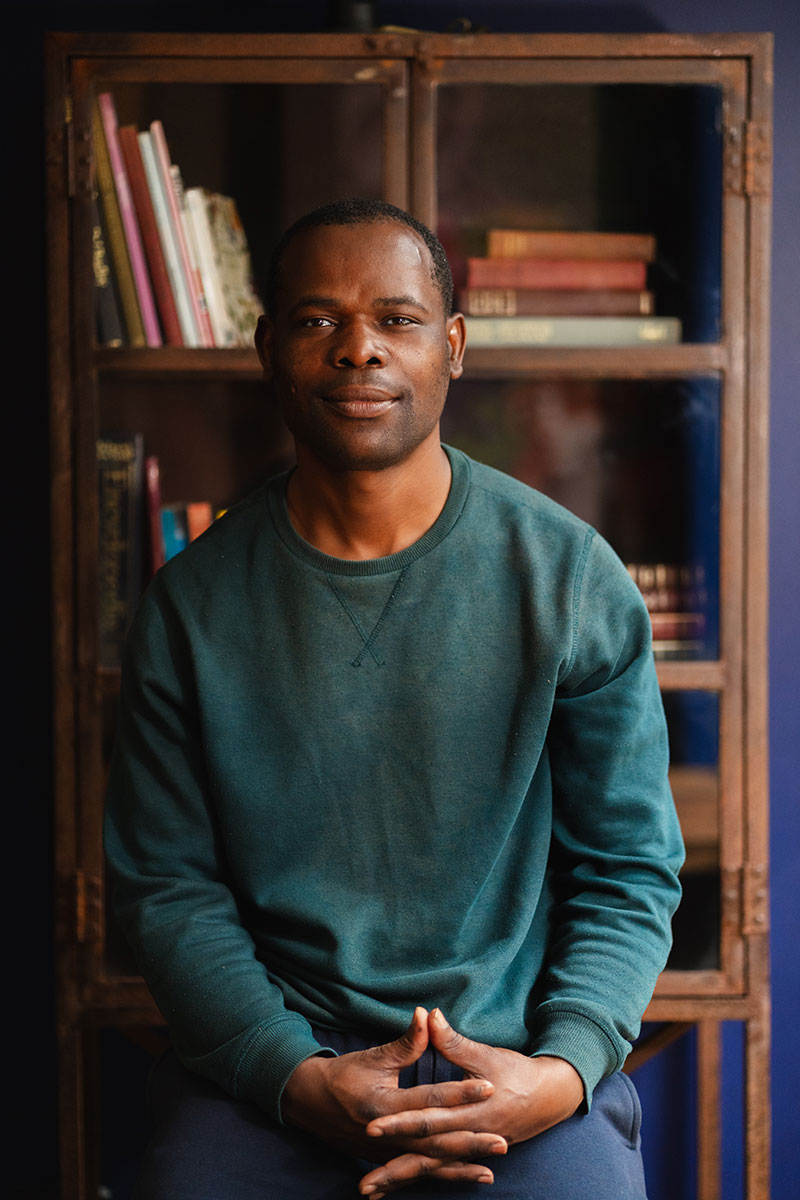
Phumlani Nyawo’s hands have long been shaped by the clay he works with, moulding not just pottery but a narrative of tradition and evolution. Born in Pongola, KwaZulu-Natal, he grew up surrounded by the quiet rhythm of craftsmanship. His late father instilled in him a deep respect for heritage, while his brothers, skilled potters themselves, became his first mentors. Watching them work, he found himself drawn to the raw, earthen material an ancient medium through which he would later carve his own story. It was here that he learned patience, the delicate balance between control and surrender, as clay bends to the maker’s will but retains a spirit of its own.
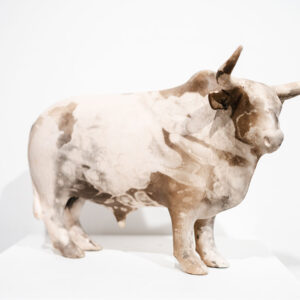
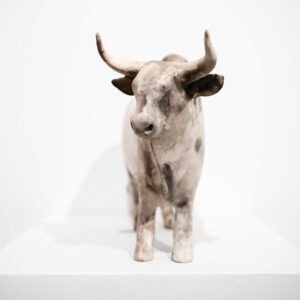
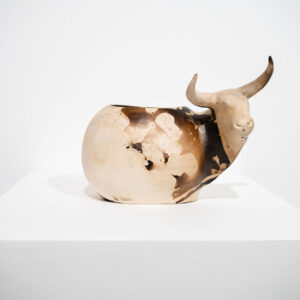
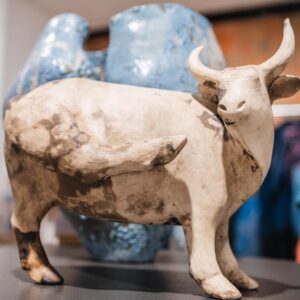
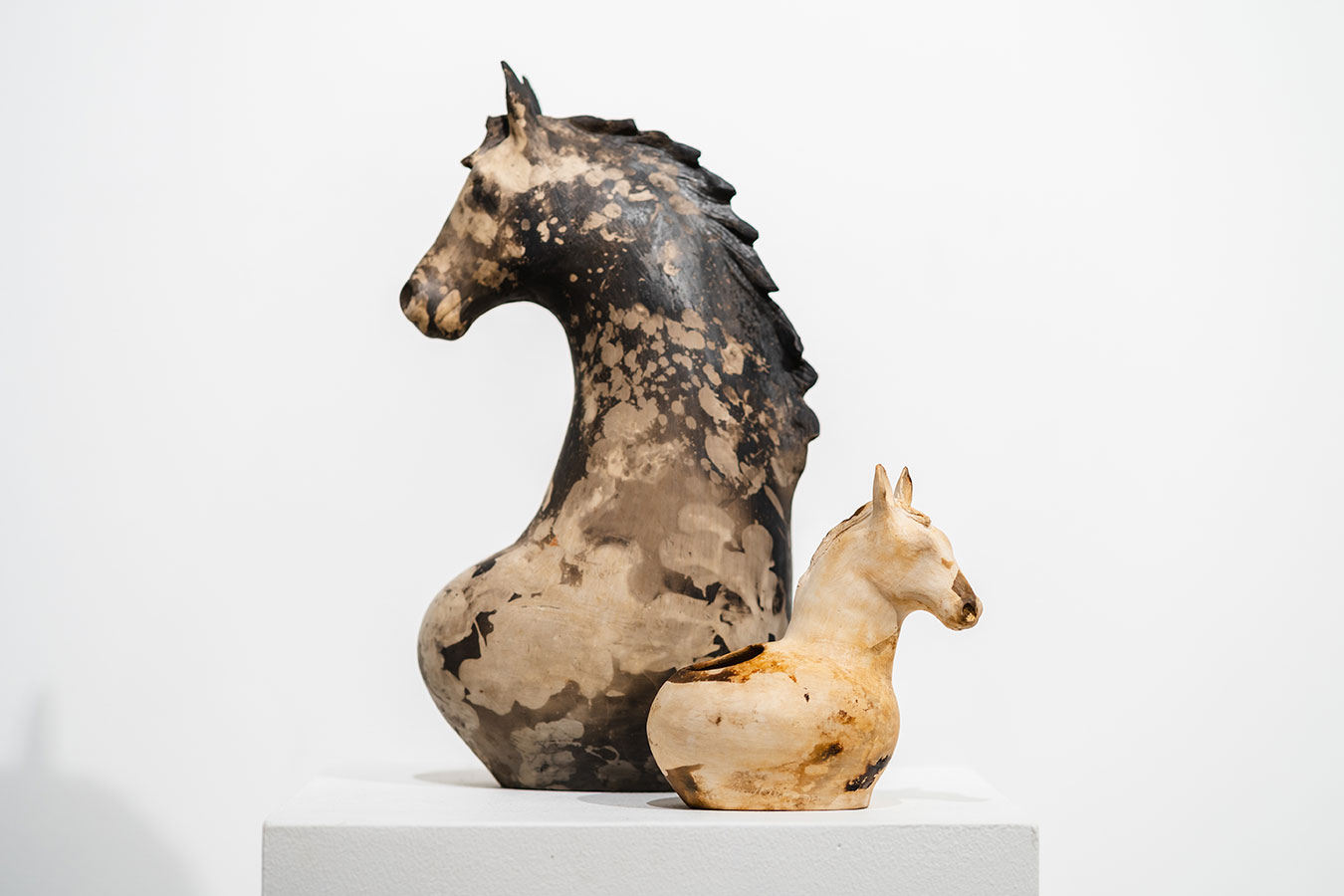
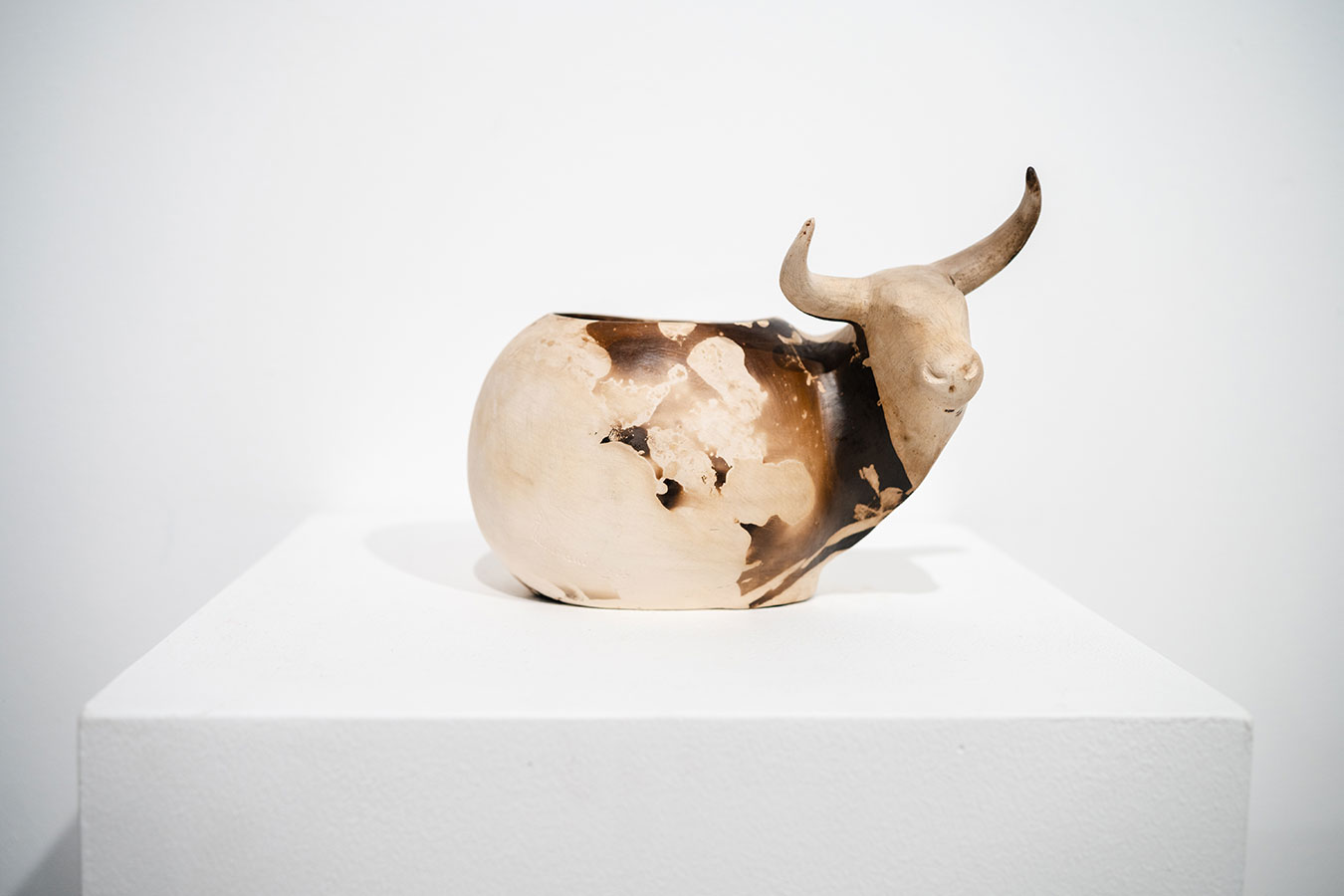
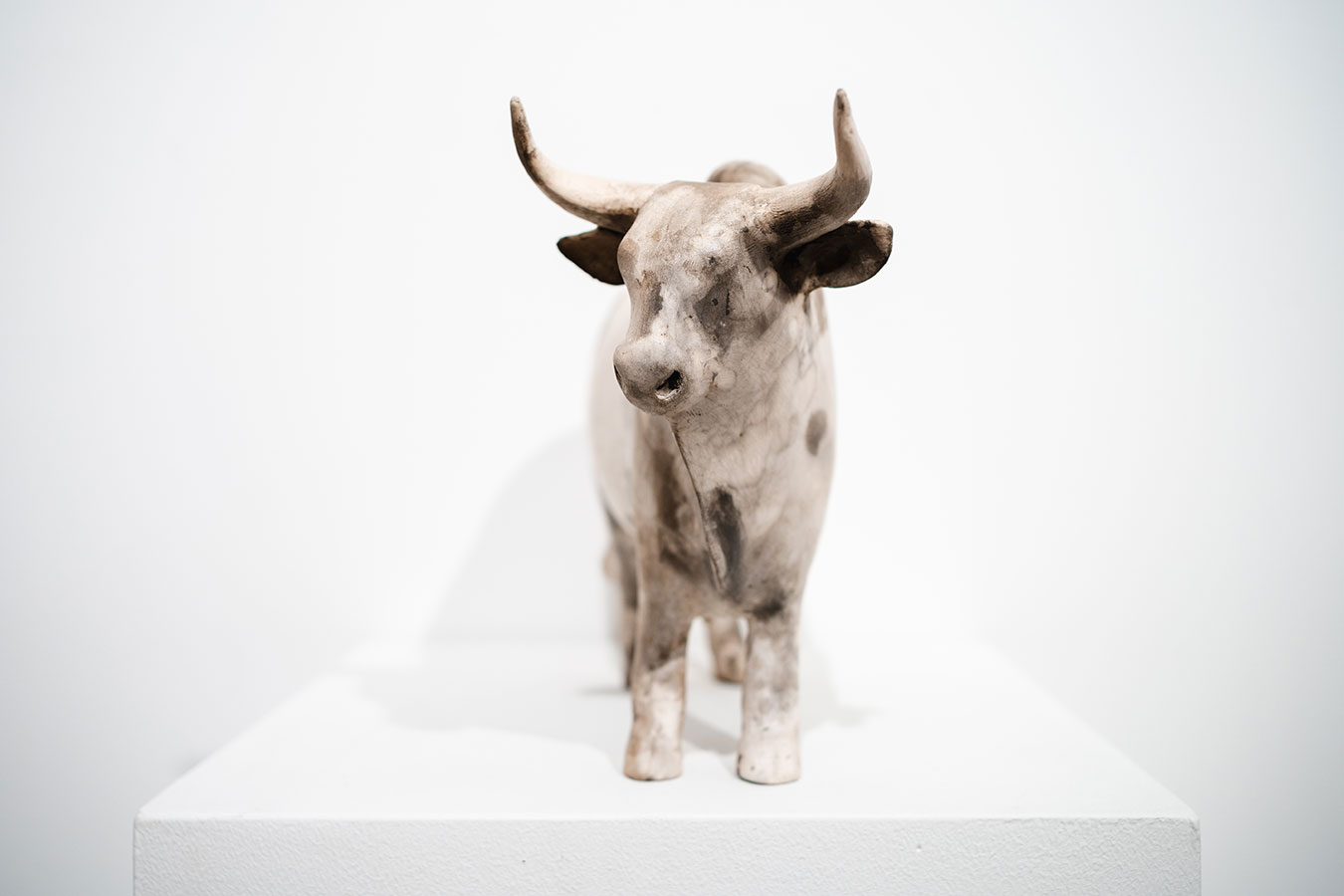
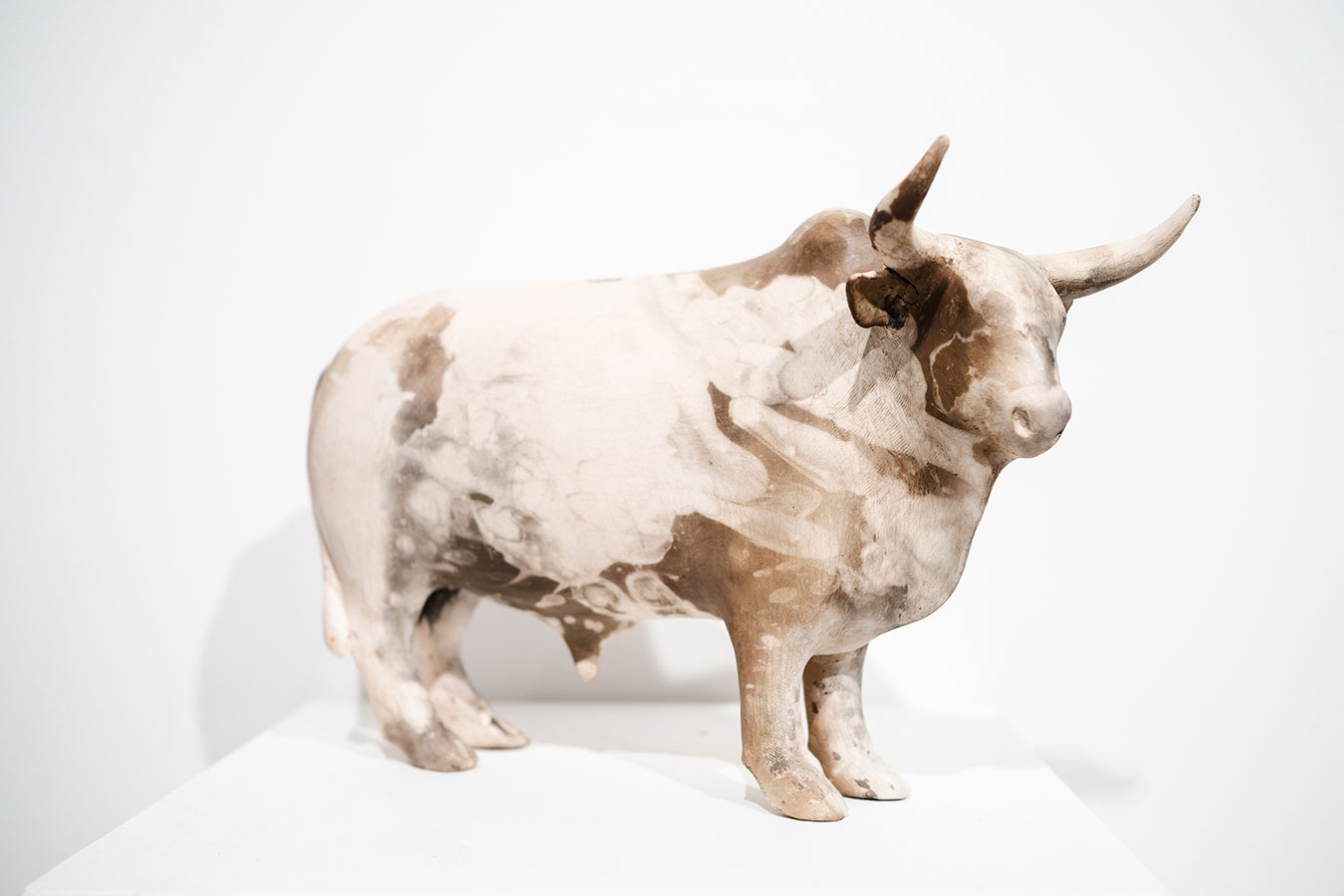
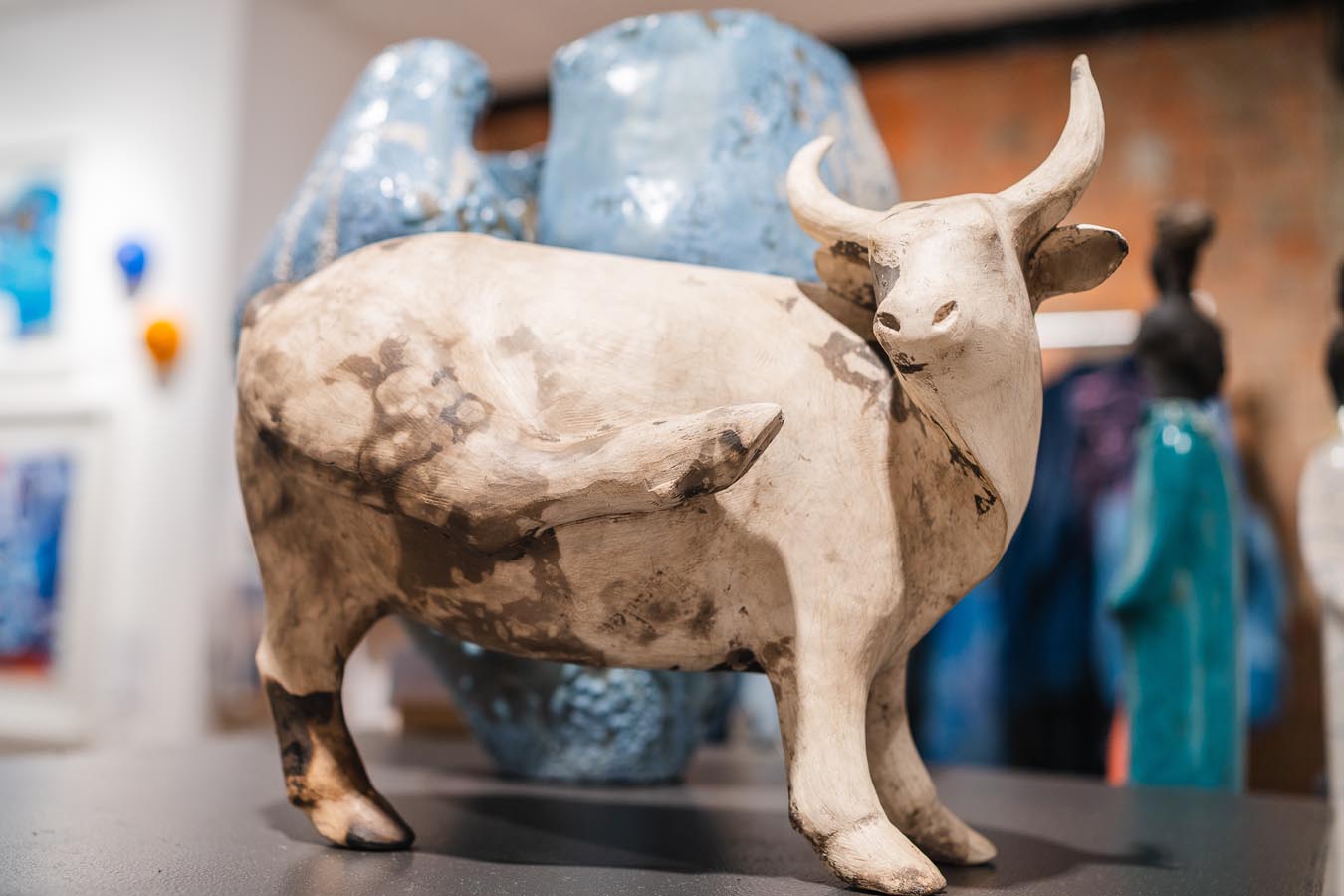
Over the years, Phumlani’s craft has become a conversation between past and present. Honouring traditional African pottery techniques, he shapes each piece by hand using coiling methods passed down through generations. His forms, with their bold silhouettes and intricate detailing, speak to a world in motion. The familiar curves of heritage meet the sharp edges of modernity, resulting in pieces that feel both timeless and refreshingly new. His Nguni Cow sculptures, widely recognized as his signature works, are more than just sculptures, they are tributes to the cultural and spiritual significance of these animals in African identity. The unpredictable textures left by the firing process, often achieved through open-pit or bonfire techniques, give his work a raw, organic quality, ensuring no two pieces are ever the same.
Phumlani’s talent has not gone unnoticed. His work has been showcased at the KZNSA Gallery in Durban and has earned him recognition at the Innibos National Craft Exhibition. As a resident artist at The Gallery in Ballito, he is deeply engaged in preserving and sharing the rich traditions of isiZulu pottery. He envisions a future where these techniques continue to thrive, hoping to collaborate with schools and institutions to pass his knowledge to younger generations.
For Phumlani, inspiration is never static. It is found in the shifting rhythms of life, in the people he meets, in the things that move him. He is always searching, always listening, to the silent language of form and texture, allowing his hands to translate emotion into something tangible. “As I am designing my pots,” he reflects, “I draw inspiration from the people I have met and the things in life that motivate and interest me.” His work is more than clay and fire; it is memory, transformation, and a testament to the enduring dialogue between heritage and reinvention.